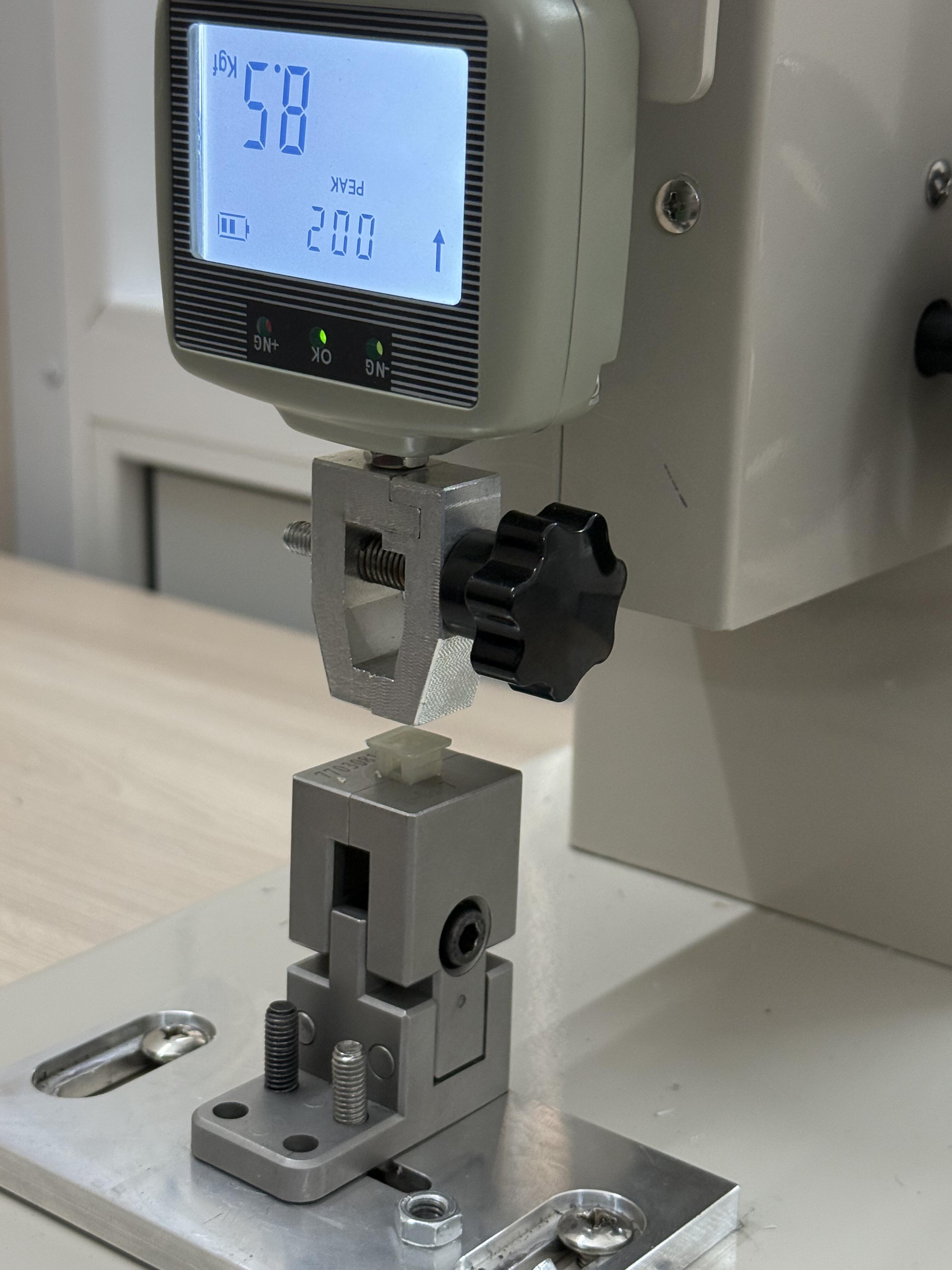
Manufacturingofplastic
components and automotive fasteners
Production technologies

Injection molding
Injection molding is a polymer processing method where molten material is injected under high pressure into a closed mold. After cooling, the material takes the desired shape. Advantages include high dimensional accuracy, stable characteristics in mass production, minimal waste, full automation capability, and cost-effectiveness for serial production.

Large-part injection molding
Large-part injection molding is a technology for producing large plastic parts under pressure using injection molding machines (IMM). Used in automotive, aerospace, home appliances and other fields requiring strong, lightweight and complex parts. Large-part molding uses reinforced IMMs with clamping force from 1000 to over 6000 tonnes, enlarged platens for large molds, dual-carriage cylinders for even force distribution, high-precision control systems, advanced cooling for uniform solidification, servo or hybrid drives for energy efficiency and accuracy.
Extrusion
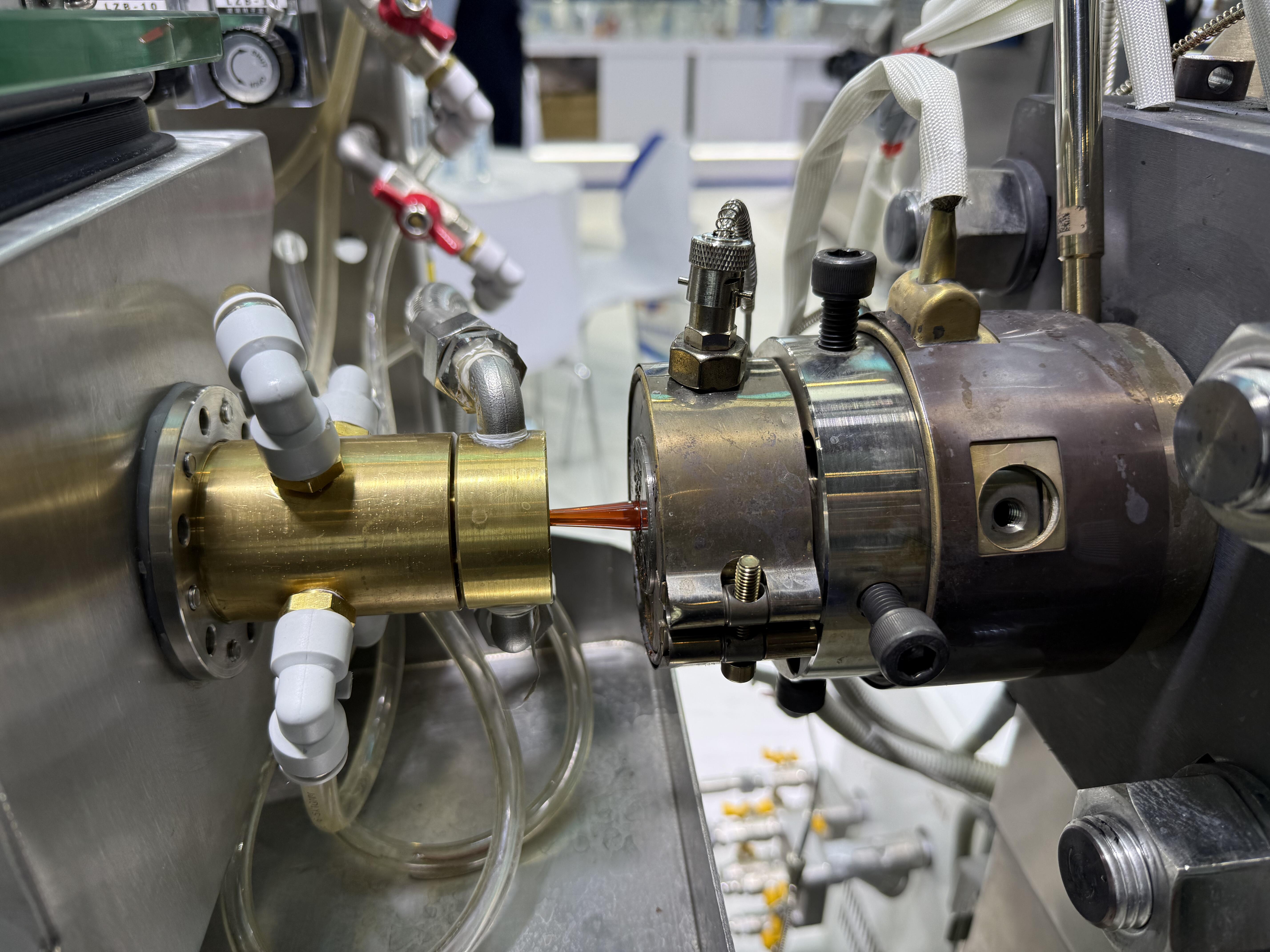
Extrusion is a production method for making profiles, pipes, hoses and other products. The process involves forcing molten material through a profiled opening (die) of an extrusion head. The die shape defines the final product geometry. A haul-off device moves the product at a set speed. Finished products are wound onto reels or cut to length.
Extrusion blow molding
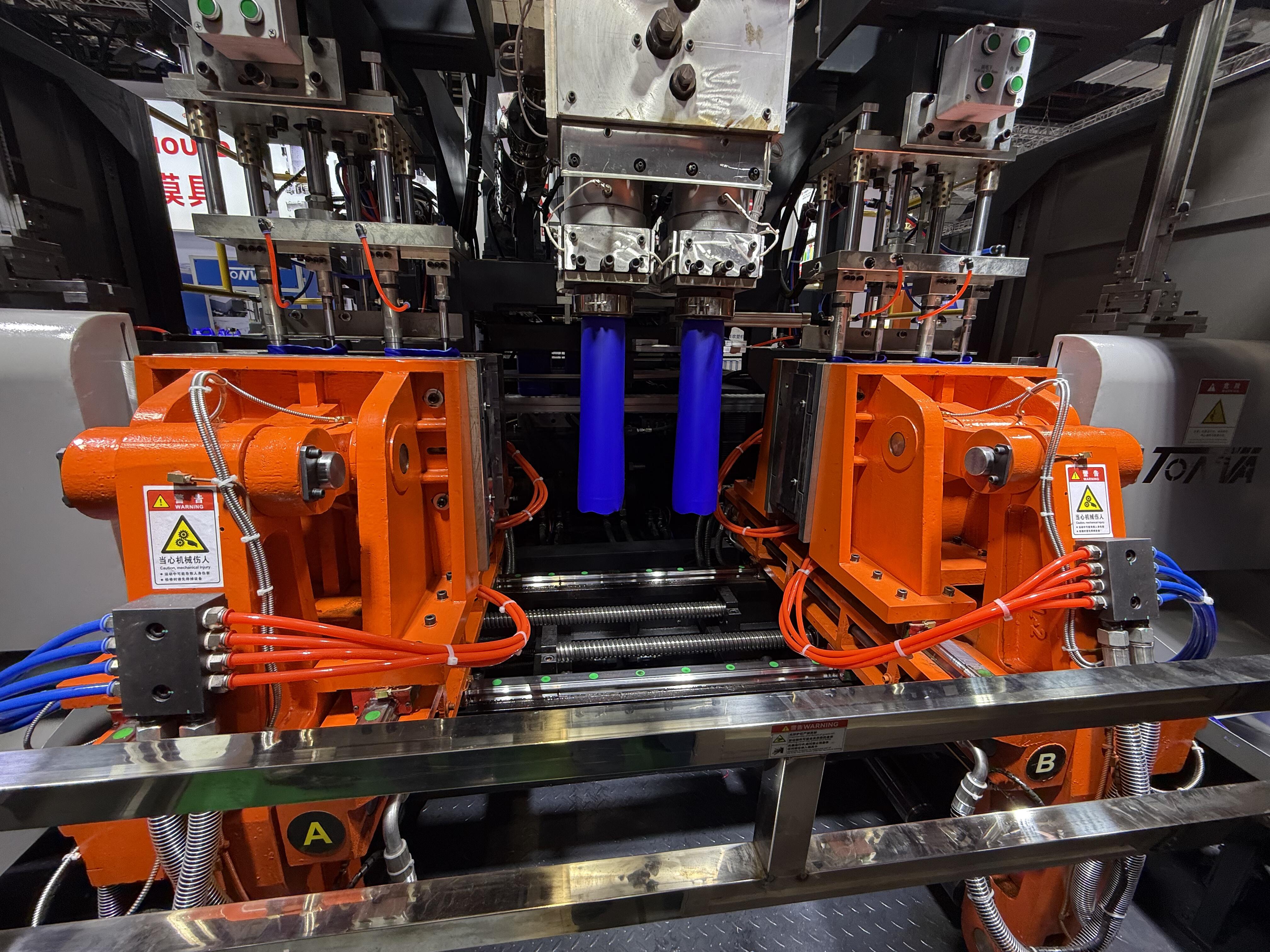
Extrusion blow molding (EBM) is a method for producing hollow plastic products: bottles, canisters, tanks, toys, automotive parts, etc. Melt is fed into an extrusion head (a long vertical slit head). A continuous hollow tube — a parison — is formed. Diameter and wall thickness can be varied along length with programmable devices (parison control) to ensure uniform wall thickness of the final product.
Plastic heat sealing
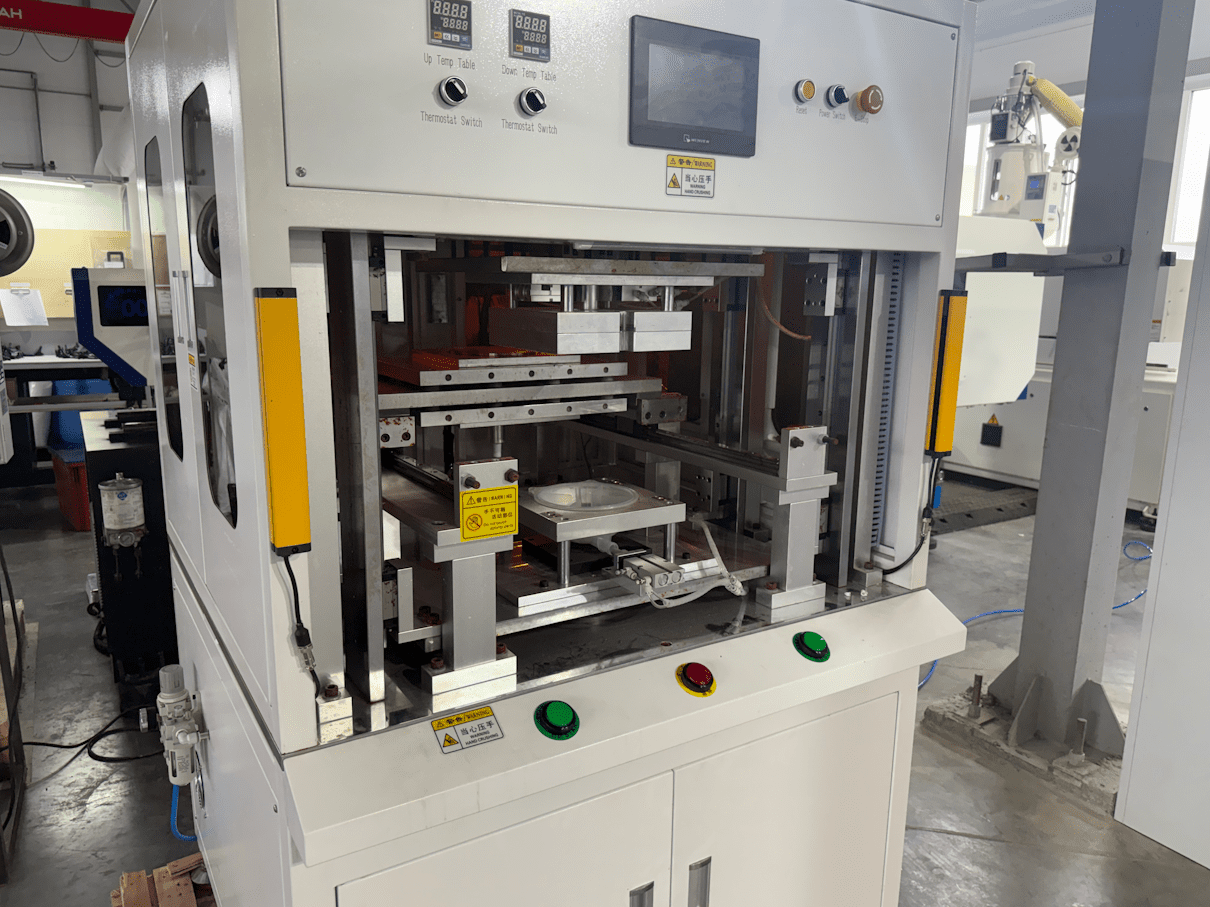
Plastic heat sealing is a method of joining thermoplastics by local heating to a viscofluid state followed by compression and cooling. The result is a strong permanent seam. Heat sealing creates a joint stronger than the plastic itself — no glue, only heat and pressure turning two parts into a monolith, and for automotive parts this is critical: washer tanks, expansion tanks, air ducts and filter housings receive a completely hermetic joint that withstands vibrations, pressure changes, aggressive fluids and extreme under-hood temperatures — when component reliability directly affects safety, heat sealing gives that extra margin where the seam never becomes the weak link.
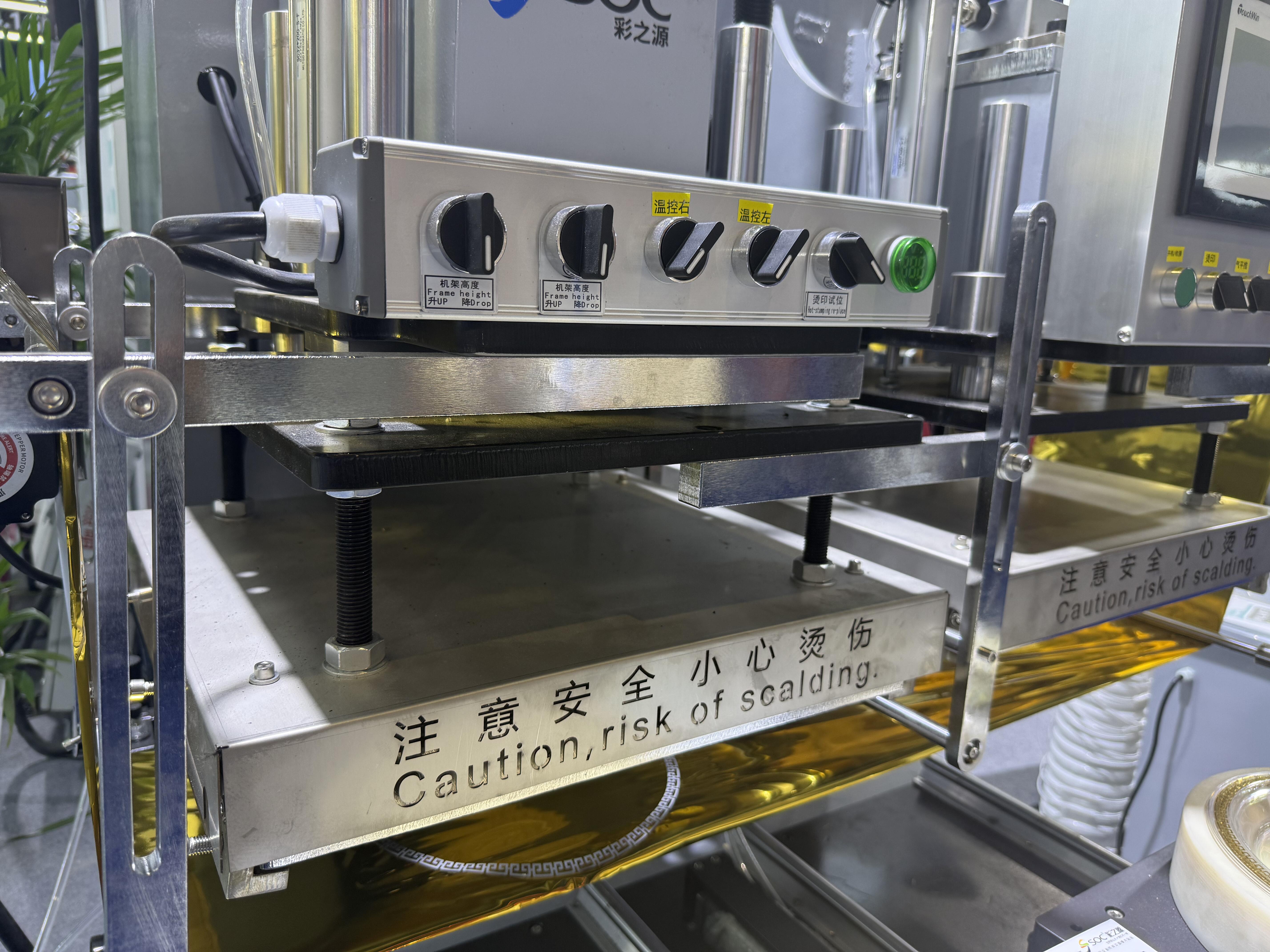
Hot stamping
Hot stamping (pyrotyping) is a method of processing materials where a heated die (cliché) applies a raised image or text onto the surface, transferring a metallic layer from foil to the material under heat and pressure. It provides mirror shine, holographic effects. It gives premium appearance, tactile effect that increases perceived product value, anti-counterfeiting (difficult to reproduce without the die), high abrasion resistance of the imprint, ability to work with textured and uneven surfaces, eco-friendliness due to absence of liquid paints and solvents.
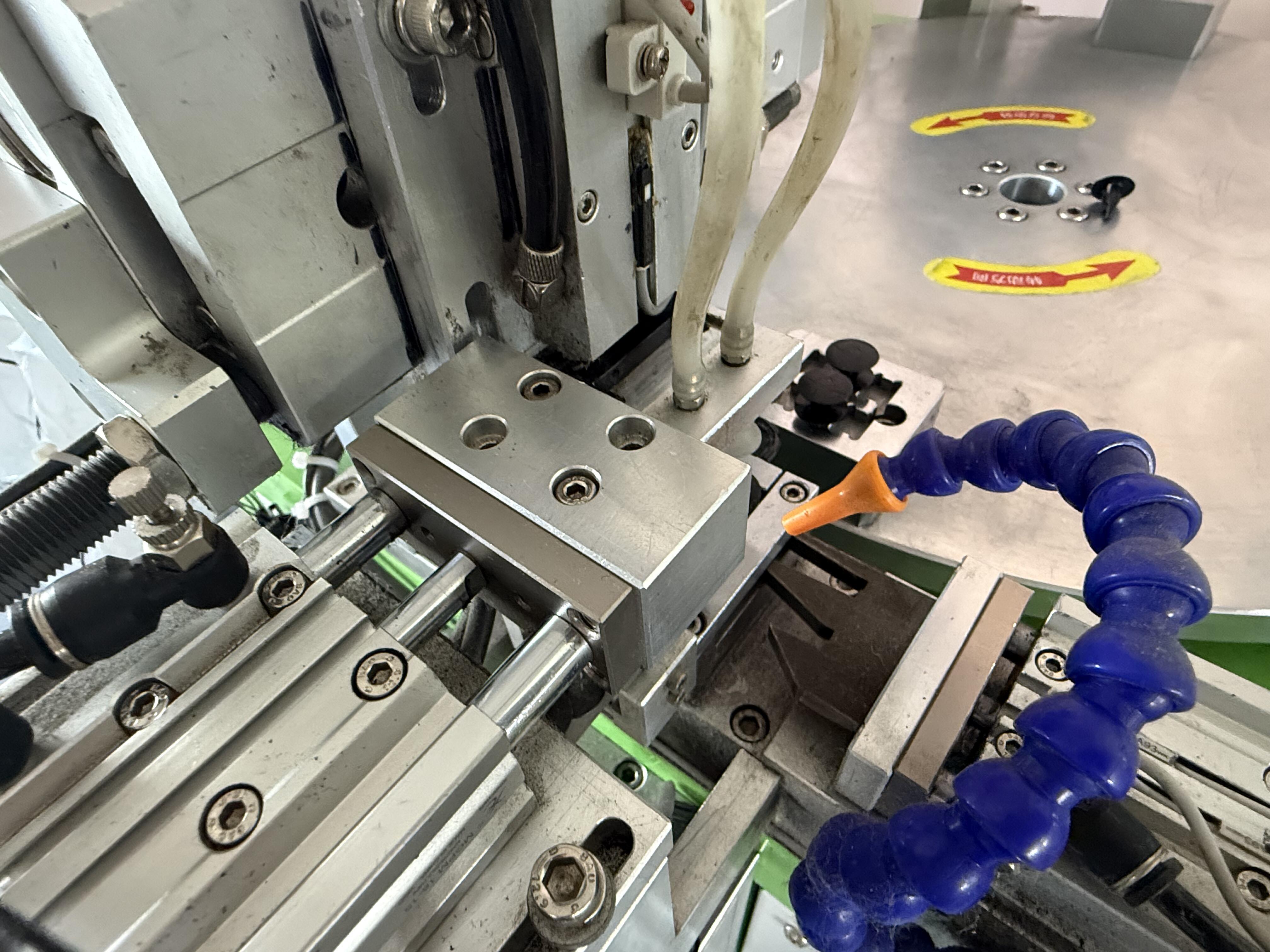
Automated assembly of plastic clips
Automated assembly of plastic clips is a process that uses specialised equipment to increase productivity and reduce human intervention. Finished clips are fed into the assembly system using vibratory bowl feeders, which orient clips in the correct position. A clip consists of several parts; automated equipment is used for joining.
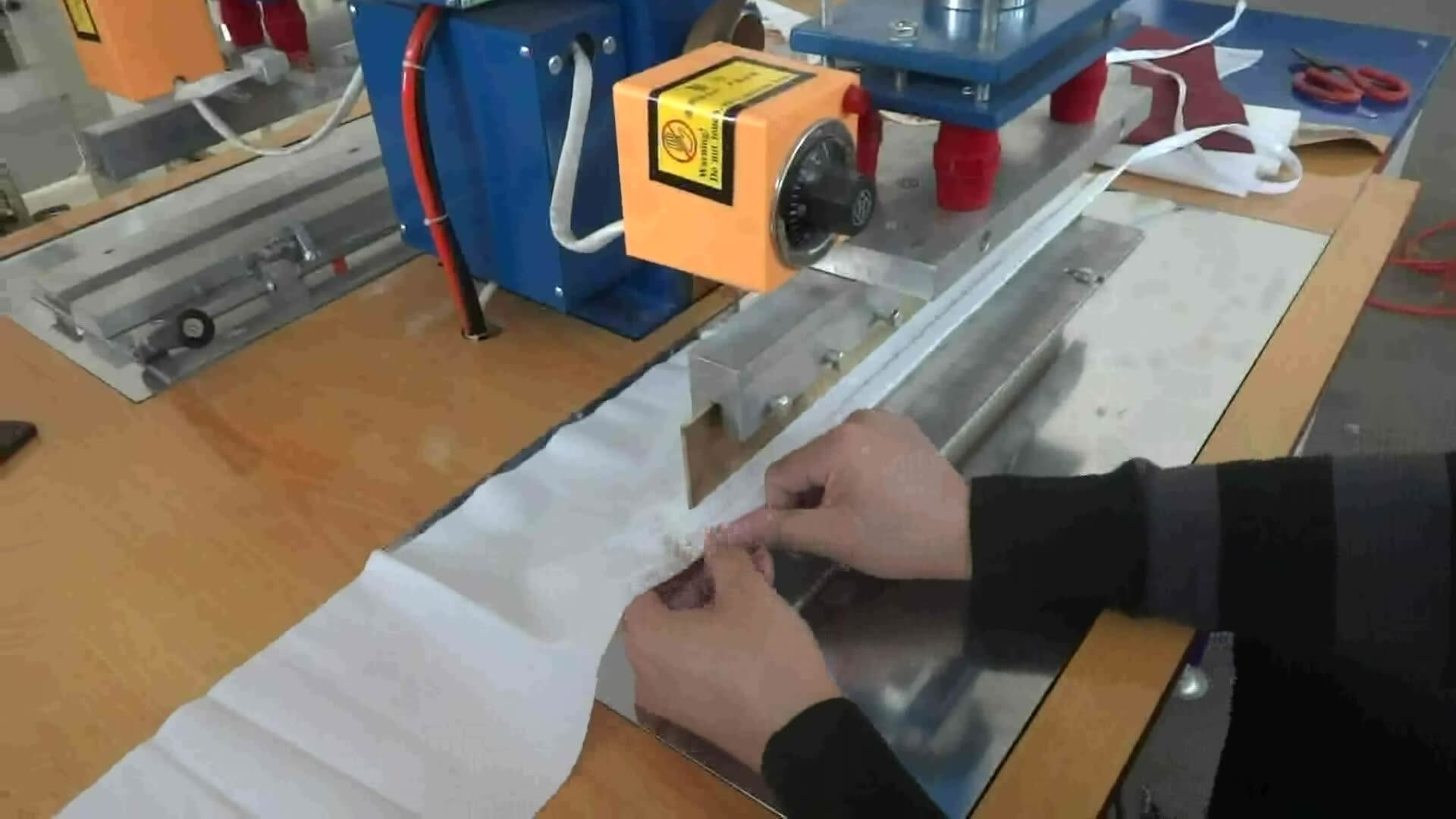
High-frequency welding of plastics
High-frequency welding of plastics is a method of joining polymer materials using high-frequency electromagnetic field energy. Under the field, polar polymer molecules begin to oscillate, causing friction and heat generation, leading to material softening and joining under pressure.
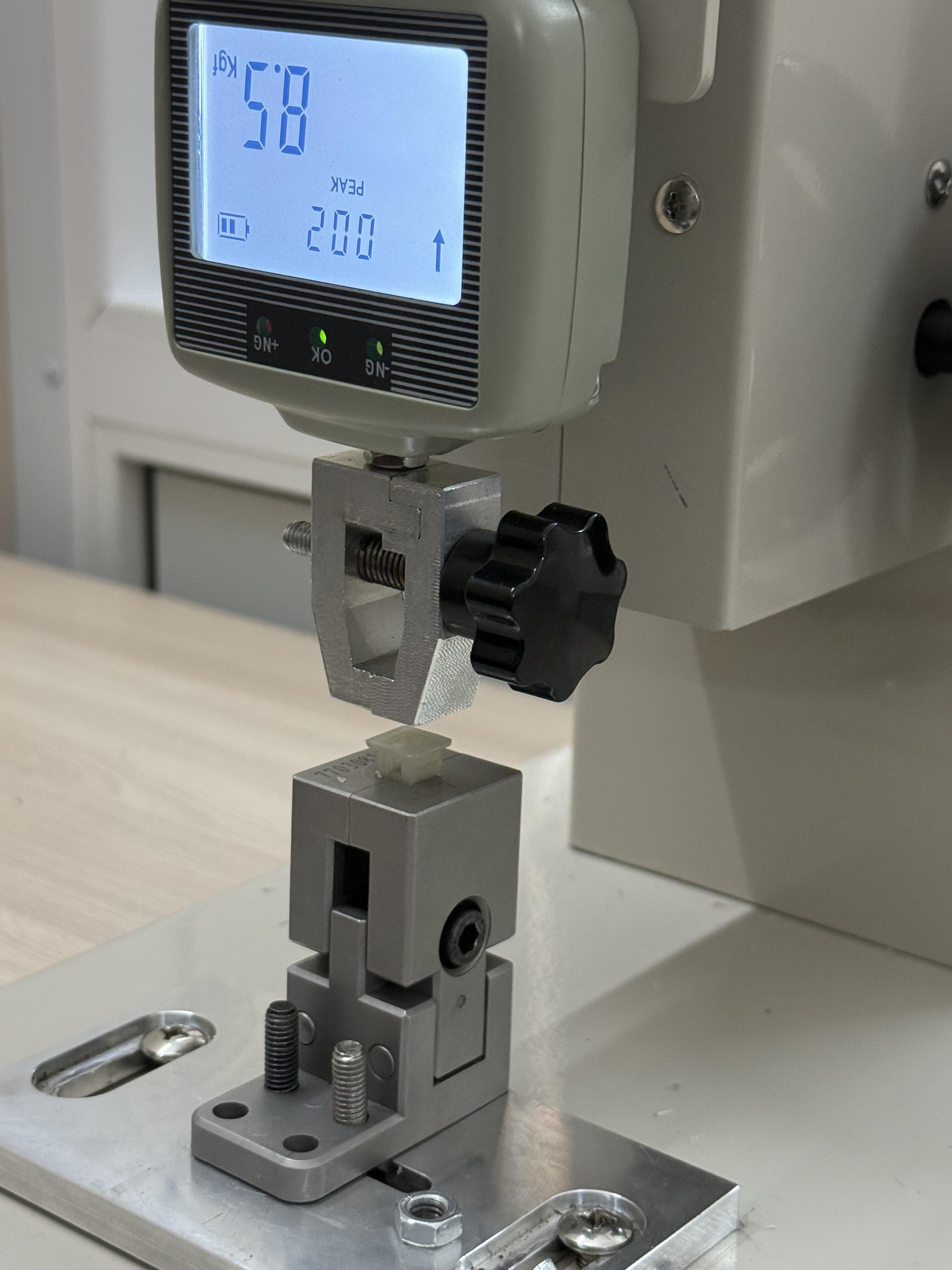
Parameter control
The enterprise has modern testing equipment. We control the physical and mechanical characteristics of finished products, checking compliance with regulatory requirements.




Popular products
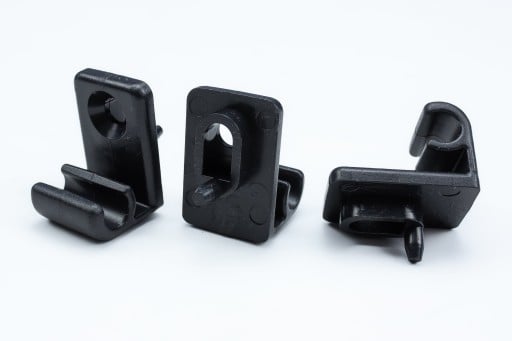
 IMG_9618-Enhanced-NR.jpg)
.jpg)
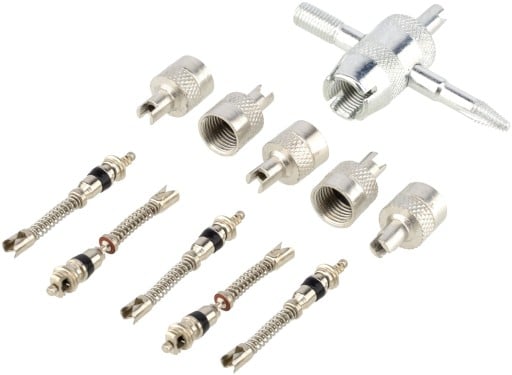
Categories
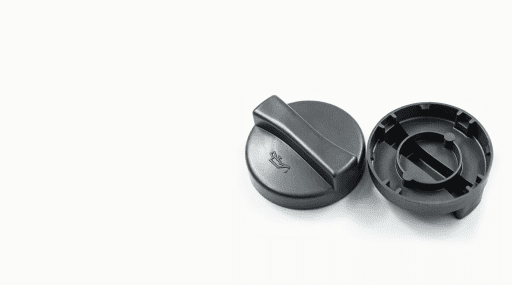
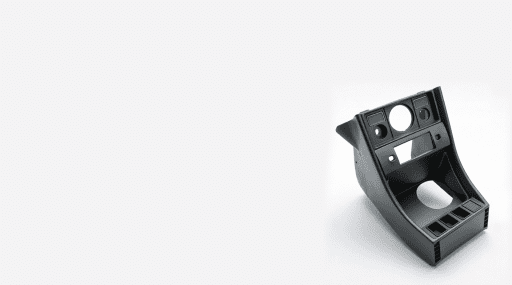
Quality confirmed by standards
Laboratory control at all stages
The enterprise has modern testing equipment. We perform control of physical and mechanical characteristics of finished products, verification of compliance with regulatory requirements. Each batch undergoes strict acceptance.
- Geometrical parameters
- Weight characteristics
- Strength indicators
- Product appearance
ISO 9001:2015
Quality management system
Laboratory equipment
Test benches of own design
Multi-stage control
100% inspection of each part